Determining whether your SEO (Search Engine Optimization) efforts are effective involves monitoring various key performance indicators (KPIs) and metrics. Here are some important signs your SEO is working in 2026.
SEO Overview, And Important Signs Your SEO is Working
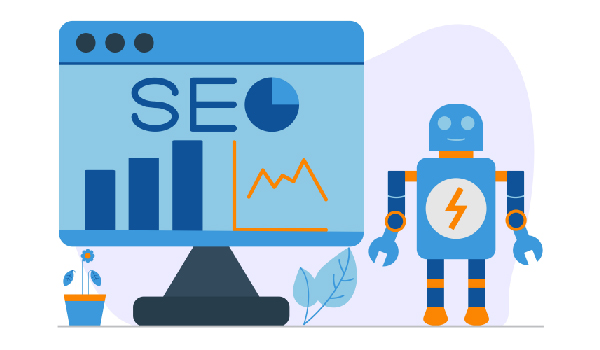
SEO, or Search Engine Optimization, is a digital marketing strategy focused on enhancing a website’s visibility and relevance in search engine results.
The primary goal of SEO is to improve a site’s ranking on search engine results pages (SERPs) for specific keywords or phrases relevant to the website’s content and offerings.
By optimizing various elements, both on-page and off-page, SEO aims to attract more organic (non-paid) traffic from search engines like Google, Bing, and Yahoo.
Key components of SEO include:
- Keyword Research: Identifying and targeting specific keywords that users are likely to search for. This involves understanding user intent and choosing keywords relevant to the business or content.
- On-Page Optimization: Optimizing individual web pages to make them more search engine-friendly. This includes optimizing meta tags, headings, content, and multimedia elements.
- Off-Page Optimization: Building a website’s authority and credibility through activities outside the website. This often involves link building, social media promotion, and other external efforts.
- Technical SEO: Ensuring that the website is technically sound and easily accessible to search engine crawlers. This includes aspects like site speed, mobile-friendliness, and proper indexing.
- Content Creation: Producing high-quality, relevant, and valuable content that addresses user queries and provides solutions. Content is a critical factor in attracting and retaining organic traffic.
- User Experience (UX): Creating a positive and seamless experience for website visitors. Google considers factors such as page load speed, mobile responsiveness, and overall usability as ranking signals.
- Analytics and Monitoring: Regularly analyzing data through tools like Google Analytics and Google Search Console to track the performance of SEO efforts. This includes monitoring traffic, keyword rankings, and user behavior.
SEO is an ongoing process, and its effectiveness evolves with changes in search engine algorithms and user behavior.
Successful SEO requires staying informed about industry trends, adapting strategies accordingly, and maintaining a focus on delivering a positive experience for both search engines and website visitors.
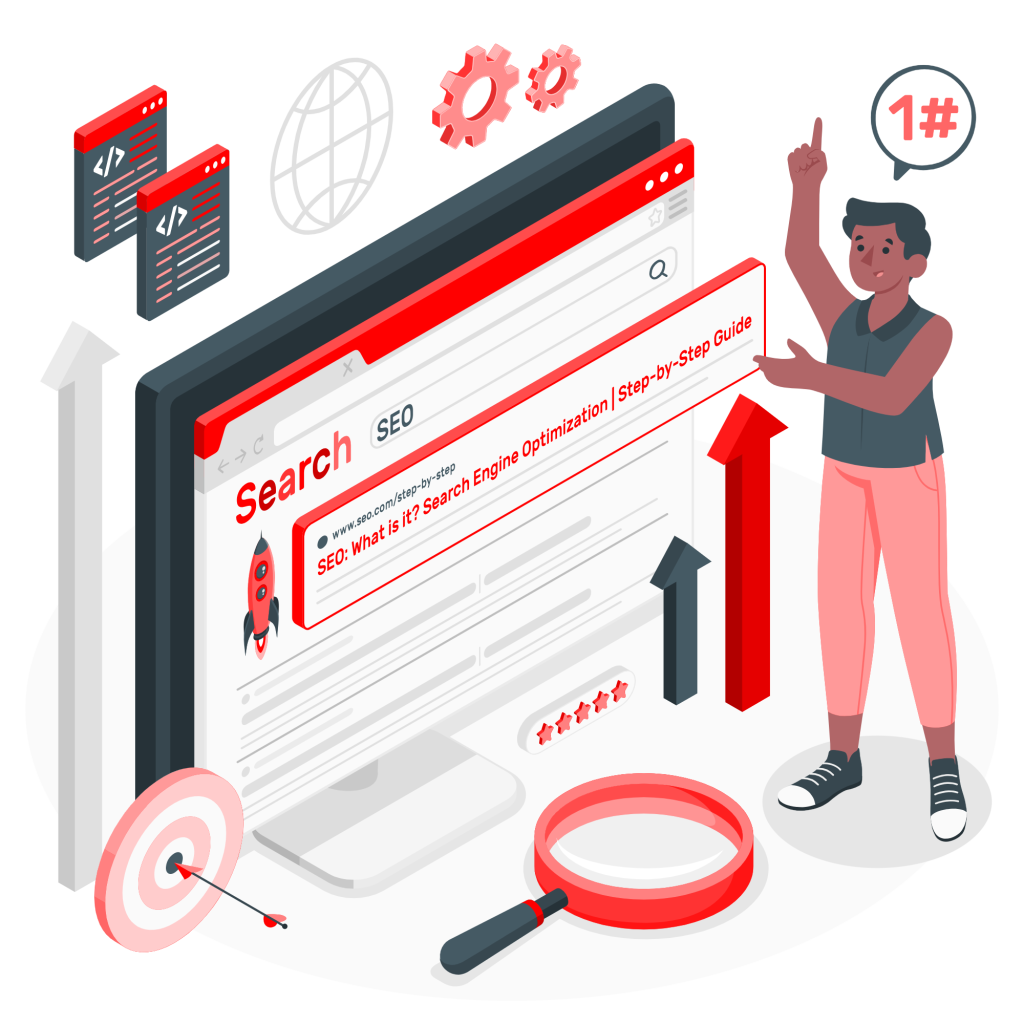
Importance of Monitoring SEO Performance
Monitoring SEO performance is crucial for several reasons, as it allows businesses and website owners to:
- Evaluate Effectiveness: Regularly monitoring SEO performance helps assess the effectiveness of your SEO strategy. It allows you to gauge whether your efforts are producing positive results, such as increased organic traffic, improved rankings, and enhanced visibility on search engine results pages (SERPs).
- Identify Areas for Improvement: Analyzing SEO performance data helps identify specific areas that may need improvement. Whether it’s optimizing content, refining keywords, or addressing technical issues, monitoring allows you to pinpoint weaknesses and take corrective actions.
- Measure ROI (Return on Investment): SEO is an investment in digital marketing. Monitoring performance helps you measure the return on investment by assessing the impact of SEO efforts on key metrics such as organic traffic, conversions, and revenue.
- Stay Competitive: The online landscape is dynamic, and competitors are continually adapting their strategies. Monitoring SEO performance enables you to stay competitive by identifying new opportunities, understanding competitor tactics, and adjusting your approach accordingly.
- Adapt to Algorithm Changes: Search engines frequently update their algorithms, which can impact search rankings. Monitoring SEO performance helps you stay informed about algorithm changes and adapt your strategy to align with the latest requirements, ensuring that your website remains visible to search engine users.
- Enhance User Experience: SEO is not just about pleasing search engines; it’s also about providing a positive user experience. Monitoring performance metrics, such as bounce rates and time spent on pages, helps you understand user behavior and make adjustments to enhance overall user experience.
- Optimize Content Strategy: Content is a fundamental element of SEO. By analyzing content performance, you can identify which topics resonate with your audience, which keywords are driving traffic, and where there might be gaps in your content strategy.
- Track Keyword Rankings: Monitoring keyword rankings allows you to see how well your website ranks for specific terms. This insight is valuable for adjusting your content strategy, targeting new keywords, and maintaining a competitive position in search results.
- Maximize Marketing Budget: SEO efforts require time, resources, and often financial investment. Monitoring performance ensures your marketing budget is allocated effectively, enabling you to focus on strategies that deliver the best results.
- Demonstrate ROI to Stakeholders: For businesses, especially those working with stakeholders or clients, monitoring and reporting on SEO performance help demonstrate the value of SEO initiatives. Clear, data-driven reports can demonstrate the impact on key performance indicators (KPIs) and justify ongoing SEO efforts.
Monitoring SEO performance is essential for refining strategies, adapting to changes, and ensuring that your website continues to attract organic traffic and deliver a positive user experience over time
Signs Your SEO Is Working: How To Tell If Your SEO Is Working?

Increased Organic Traffic
Increased organic traffic is a key indicator of the success of your SEO efforts. Organic traffic refers to the visitors who come to your website through unpaid, natural search engine results.
Here’s why increased organic traffic is significant:
- Visibility and Ranking Success: When your website ranks higher in search engine results for relevant keywords, it becomes more visible to users. Increased organic traffic is a direct result of your site appearing prominently in search results, attracting more clicks from users interested in your content or products.
- Credibility and Trust: Higher search rankings often contribute to perceptions of credibility and trustworthiness. Users tend to trust websites that appear on the first page of search results, increasing the likelihood of organic traffic.
- Cost-Efficiency: Unlike paid advertising, which costs money per click, organic traffic is essentially “free.” While SEO efforts require investment in time and resources, the long-term benefit of attracting organic traffic without ongoing advertising costs makes it a cost-effective approach.
- Targeted Audience: Organic traffic is generally more targeted because it comes from users actively searching for information or products related to your content. These users are more likely to be interested in what your website offers, increasing the chances of engagement and conversions.
- Sustainable Growth: Unlike some short-term marketing strategies, SEO’s impact on organic traffic can be sustained over time. As your website gains authority and relevance in search engine algorithms, you’re likely to continue attracting organic traffic even as you expand your content and optimize your site further.
- Insight into User Behavior: Monitoring the increase in organic traffic provides valuable insights into user behavior. Analyzing user metrics, such as bounce rates, time on page, and conversion rates, helps you understand how visitors interact with your site, enabling you to make data-driven improvements.
- Competitive Edge: Outperforming competitors in search engine rankings and attracting more organic traffic can provide a competitive advantage. It positions your website as a go-to resource within your industry or niche, potentially capturing market share from competitors.
- ROI Measurement: Increased organic traffic allows you to measure the return on investment (ROI) of your SEO efforts. By tracking organic traffic growth alongside other metrics such as conversions and revenue, you can assess its impact on your business goals.
To ensure sustained success, it’s important not only to achieve an initial boost in organic traffic but also to continuously monitor and adapt your SEO strategy based on performance data and evolving search engine algorithms.
What is Organic Traffic And Why Matters?
Organic traffic refers to the visitors who come to a website through unpaid, natural search engine results. Unlike paid traffic, which involves users clicking on advertisements, organic traffic is driven by the website’s visibility in search engine results pages (SERPs) due to its relevance, quality content, and effective search engine optimization (SEO) strategies.
Organic traffic results from users actively searching for information, products, or services and clicking on non-paid listings in search results. It is a valuable source of traffic because it indicates that the website has earned its position through content that is relevant to users’ queries and aligned with search engine algorithms.
Key characteristics of organic traffic include:
- Unpaid Nature: Organic traffic is not generated through paid advertising or promotions. Users find and click on organic search results naturally based on their search queries.
- Search Engine Visibility: Websites that rank higher in search engine results for specific keywords are more likely to receive organic traffic. Effective SEO practices improve visibility and rankings.
- Relevance to User Queries: Organic traffic is driven by the website’s relevance to the keywords and phrases users input into search engines. The website’s content is deemed valuable and aligns with the user’s search intent.
- Long-Term Sustainability: While SEO efforts take time to yield results, the organic traffic they generate tends to be sustainable over the long term. Once a website establishes authority and relevance, it can continue to attract organic traffic without ongoing advertising costs.
- Quality Engagement: Organic traffic often results in higher-quality engagement because users clicking on organic search results are actively seeking information or solutions related to their query.
To enhance organic traffic, websites focus on optimizing various elements, including on-page SEO, content quality, technical aspects of the website, and building backlinks.
Monitoring and analyzing organic traffic metrics, such as click-through rates, bounce rates, and conversion rates, provides insights into the effectiveness of SEO strategies and the overall health of a website’s online presence.
How to know my organic traffic is improving?
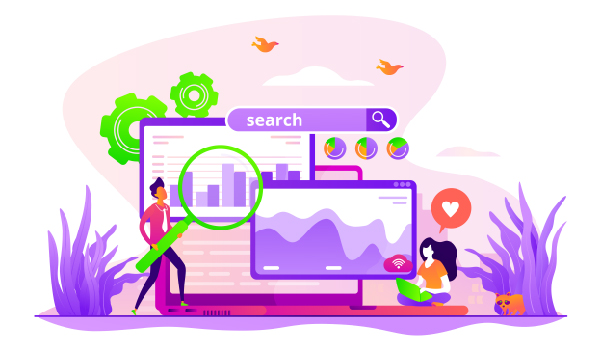
Monitoring the improvement of organic traffic involves regularly analyzing various metrics and performance indicators. Here’s a guide on how to know if your organic traffic is improving:
Website Analytics:
- Google Analytics: Use Google Analytics or other web analytics tools to track overall website traffic. Specifically, focus on the “Organic Search” channel to see the volume of traffic coming from organic search results.
Traffic Trends:
- Compare Periods: Compare current organic traffic data with historical data from previous weeks, months, or years. Positive trends, such as a consistent increase, indicate improvement.
Keyword Rankings:
- Ranking Changes: Monitor changes in your website’s ranking for target keywords. Improved rankings often lead to increased organic traffic. Tools like Google Search Console, Ahrefs, or SEMrush can help track keyword positions.
Click-Through Rates (CTRs):
- Search Console Data: Analyze data from Google Search Console to check for improvements in click-through rates for your pages. Higher CTRs suggest that your pages are attracting more clicks from search results.
Bounce Rates:
- User Engagement: Assess bounce rates for organic traffic. Lower bounce rates indicate that visitors find your content relevant and engaging, thereby improving the quality of organic traffic.
Conversion Rates:
- Conversion Tracking: If your website has conversion goals (e.g., form submissions, purchases), track conversion rates for organic traffic. An increase in conversions suggests that your organic visitors are taking desired actions.
Page Views and Time on Page:
- User Engagement Metrics: Check the number of page views and average time users spend on your pages. An increase in these metrics indicates that users are finding value in your content.
New vs. Returning Visitors:
- Audience Behavior: Analyze the proportion of new versus returning visitors from organic traffic. A growing number of new visitors may indicate increased visibility and audience reach.
Mobile and Desktop Traffic:
- Device-Specific Data: Examine organic traffic data based on devices (mobile, desktop). With the rise of mobile searches, improvements in mobile traffic can be particularly noteworthy.
Geographical Data:
- Regional Improvements: If your target audience is specific to certain regions, analyze geographical data to see if organic traffic is improving in your target locations.
Backlink Growth:
- Backlink Monitoring: Track the growth of your site’s backlinks. Quality backlinks can positively influence search engine rankings and contribute to increased organic traffic.
Competitor Analysis:
- Comparison with Competitors: Compare your organic traffic trends with those of your competitors. Outperforming competitors can be a strong indicator of SEO success.
Regularly reviewing these metrics and conducting comprehensive analyses will provide a clearer picture of whether your organic traffic is improving and help you refine your SEO strategy for ongoing success.
Improved Keyword Rankings
Improved keyword rankings are a crucial aspect of a successful SEO strategy. Higher rankings in search engine results pages (SERPs) for relevant keywords can have a significant impact on the visibility, traffic, and overall success of your website.
Here’s why improved keyword rankings are important:
Increased Visibility:
- Top Positions: Higher keyword rankings mean that your website appears closer to the top of search results. Users are more likely to click results at the top, increasing visibility for your content.
More Organic Traffic:
- Click-Through Rates: Improved keyword rankings generally lead to higher click-through rates (CTRs). As more users click on your search results, your website attracts a larger volume of organic traffic.
Targeted Traffic:
- Relevance to User Intent: Optimizing for specific keywords ensures that your content is aligned with user intent. Improved rankings attract users actively searching for information, products, or services related to those keywords, resulting in more targeted traffic.
Competitive Advantage:
- Outperforming Competitors: Higher keyword rankings give you a competitive edge, especially when your website outranks competitors for key terms. This can lead to a larger market share and increased brand visibility.
Brand Authority:
- Perceived Credibility: Websites that consistently rank well for relevant keywords are often perceived as more credible and authoritative. Improved rankings help build and reinforce your brand’s authority within your industry.
Enhanced User Experience:
- Easy Discovery: When your content is easily discoverable in search engines, users have a smoother, more efficient experience finding the information they seek. This positive user experience can lead to increased engagement and loyalty.
Higher Conversion Rates:
- Trust and Confidence: Users tend to trust websites that appear at the top of search results. Improved keyword rankings can instill trust and confidence in your brand, leading to higher conversion rates for products, services, or other desired actions.
Data-Driven Decision Making:
- Performance Analytics: Monitoring keyword rankings provides valuable data for analyzing the performance of specific SEO strategies. It allows you to identify what is working well and adapt your approach based on data-driven insights.
Adaptation to User Behavior:
- Responsive Optimization: Constantly improving keyword rankings indicates an ability to adapt to changing user behavior and search engine algorithms. This adaptability is essential for long-term SEO success.
Long-Term Sustainability:
- Resilience to Algorithm Changes: Websites with improved keyword rankings are often more resilient to changes in search engine algorithms. Consistent optimization efforts contribute to long-term sustainability.
Global Reach:
- International Opportunities: For businesses targeting international audiences, improved keyword rankings can facilitate global reach and expansion by ensuring visibility in relevant geographic regions.
Positive Impact on Other Metrics:
- Secondary Benefits: Higher keyword rankings often contribute to improvements in other SEO metrics, such as organic traffic, user engagement, and conversion rates, creating a positive ripple effect.
In summary, improved keyword rankings are integral to the success of your SEO efforts, leading to enhanced visibility, targeted traffic, and a range of positive outcomes that contribute to the overall growth and effectiveness of your online presence.
Higher Click-Through Rates (CTRs)
Higher Click-Through Rates (CTRs) are a strong indicator of success in your digital marketing efforts, particularly in the context of search engine optimization (SEO).
CTRs measure the percentage of users who click on your website’s link when it appears in search engine results pages (SERPs). Here are key reasons why higher CTRs are important:
Increased Traffic:
- More Clicks: Higher CTRs directly result in more users clicking on your website’s link. This leads to increased traffic, helping you reach a larger audience and potentially expanding your customer base.
Improved Search Engine Rankings:
- Positive Signal to Search Engines: Search engines like Google use CTR as a signal of a page’s relevance and quality. A higher CTR suggests that users find your content valuable, which can positively influence search engine rankings.
Relevance to User Intent:
- Alignment with User Queries: A higher CTR indicates that your content is relevant and aligns with user queries. Users are more likely to click on a result that appears to directly address their search intent.
Enhanced User Experience:
- User-Friendly Content: Pages with higher CTRs are often associated with a positive user experience. Users are more likely to engage with content that is well-organized, informative, and easily accessible.
Competitive Advantage:
- Outperforming Competitors: A higher CTR allows your website to stand out in search results and outperform competitors. It positions your content as more attractive and compelling to users.
Effective Title and Meta Description Optimization:
- Compelling Snippets: A higher CTR indicates that your title tags and meta descriptions are effectively optimized. Crafting compelling and relevant snippets encourages users to click on your link over others.
Conversion Opportunities:
- Increased Conversion Potential: More clicks mean more opportunities for users to take desired actions, such as making a purchase, signing up for a newsletter, or engaging with your content. Higher CTRs contribute to increased conversion potential.
Enhanced Brand Visibility:
- Positive Brand Perception: When users consistently see your website in search results and click your links, it enhances brand visibility. Regular appearances build brand recognition and can positively impact brand perception.
Adaptability to User Behavior:
- Responsive Optimization: Monitoring and improving CTRs require ongoing optimization efforts. Adapting your content based on user behavior and preferences demonstrates a commitment to meeting user needs.
Strategic Keyword Targeting:
- Effective Keyword Strategy: Higher CTRs often indicate that your content is effectively targeting and aligning with specific keywords. This strategic alignment improves visibility for targeted search terms.
Mobile-Friendly Experience:
- Responsive Design: With the increasing prevalence of mobile search, higher CTRs can indicate that your website provides a mobile-friendly and accessible experience. This is important for engaging users across various devices.
Data-Driven Decision Making:
- Insights for Optimization: Analyzing CTR data provides valuable insights into user preferences and behavior. It allows you to make data-driven decisions and continuously optimize your content for better performance.
Higher CTRs indicate effective SEO strategies, user-friendly content, and greater visibility. Regularly monitoring and optimizing for higher CTRs contribute to overall digital marketing success and a positive online presence.

Increased Engagement Rate in GA4
Absolutely, an increased engagement rate in SEO is a strong indicator of successful optimization efforts. When users engage more with your website, it signals that your content resonates with them and that your site provides a positive experience.
Here are some reasons why an increased engagement rate is a sign of successful SEO:
- Content Relevance: Higher engagement often indicates that your content is relevant and meets your target audience’s needs. This alignment with user intent is a fundamental aspect of successful SEO.
- User Satisfaction: Increased engagement signifies user satisfaction. When visitors find what they are looking for and engage with your content, it improves the overall user experience.
- Reduced Bounce Rate: A lower bounce rate, coupled with increased engagement, indicates that users are exploring multiple pages on your site. This suggests that your site content is compelling and encourages users to delve deeper into your offerings.
- Extended Time on Site: Longer average time spent on your website is a key metric. It indicates that users are not only landing on your pages but also investing time in consuming your content. This prolonged interaction is a positive signal for SEO.
- Effective Keyword Targeting: If users engage with your content after arriving via search engine results, it suggests your keyword targeting and SEO strategies are effectively attracting the right audience.
- Internal Linking Opportunities: Improved engagement often leads to more opportunities for internal linking. Users exploring multiple pages provide a natural pathway to guide them to related content within your site.
- Enhanced Click-Through Rates (CTRs): Higher engagement is often associated with increased CTRs. If users click through to your site from search results and engage further with your content, it indicates that your meta titles and descriptions are compelling.
- Social Signals: Social media shares, likes, and comments on your content can boost engagement. These social signals not only broaden your content’s reach but also indicate its popularity and relevance.
- Conversion Opportunities: Engagement is a precursor to conversions. Whether your goal is to generate leads, drive sales, or encourage specific actions, increased engagement provides more opportunities to guide users toward conversion points.
- Improved User Signals for SEO: Search engines increasingly factor user signals into their ranking algorithms. A website with high engagement rates sends positive signals to search engines about the relevance and value of its content.
- Lower Exit Rates: A decrease in exit rates, especially on crucial pages, indicates that users are finding what they need and are less likely to leave your site prematurely. This contributes to a positive user experience.
- Quality Backlinks: Engaging content tends to attract quality backlinks naturally. When other reputable websites link to your content, it not only boosts your site’s authority but also improves your SEO performance.
- Adaptability to Algorithm Changes: Search engine algorithms frequently evolve. If your site consistently sees increased engagement, it suggests that your SEO strategies are adaptable to algorithmic changes, which contributes to sustained success.
- Enhanced Brand Visibility: Increased engagement often drives greater visibility. As users engage with and share your content, it helps build awareness among a broader audience and establishes your brand as an authority in your niche.
- Positive User Feedback: User comments, reviews, and feedback indicate satisfaction with your content. This positive sentiment not only benefits your brand reputation but also supports SEO efforts.
Increased engagement in SEO is a multifaceted indicator of success, encompassing content relevance, user satisfaction, and effective optimization strategies.
Regularly monitoring engagement metrics and adapting your SEO approach based on user behavior contribute to long-term success in the competitive online landscape.

Improved Conversion Rates
Improved conversion rates are a key indicator of successful digital marketing efforts. Conversion rate refers to the percentage of website visitors who take a desired action, such as making a purchase, filling out a form, or subscribing to a newsletter.
A higher conversion rate indicates that a larger proportion of visitors are successfully completing the desired goal.
Here are several factors that contribute to improved conversion rates:
Clear Call-to-Action (CTA):
- Compelling and Visible CTAs: Clear, compelling, and strategically placed CTAs guide users toward the desired action. Make sure that CTAs stand out visually and convey a sense of urgency or value.
User-Friendly Website Design:
- Intuitive Navigation: A user-friendly website with intuitive navigation encourages visitors to explore and take the desired actions. An organized layout and easy-to-follow structure contribute to a positive user experience.
Optimized Landing Pages:
- Relevance and Consistency: Landing pages should align with the messaging of the corresponding ads or links. Ensure landing pages provide relevant information and offer a seamless user experience.
Responsive Design:
- Mobile-Friendly Experience: With the increasing use of mobile devices, ensuring that your website is optimized for different screen sizes and devices is crucial for capturing conversions from users on smartphones and tablets.
Loading Speed:
- Fast Page Loading Times: Slow-loading pages can lead to visitor frustration and increased bounce rates. Optimizing page speed contributes to a positive user experience and encourages users to stay and convert.
Trust-Building Elements:
- Trust Seals and Testimonials: Including trust-building elements, such as security badges, customer testimonials, and reviews, helps establish credibility and encourages users to trust your brand and take action.
A/B Testing:
- Experimentation with Variations: Conduct A/B testing across elements such as headlines, images, and CTAs to identify which variations drive the best conversions. Use data-driven insights to refine your approach.
Compelling Content:
- Persuasive Copywriting: Engaging and persuasive content plays a crucial role in convincing visitors to convert. Clearly communicate the benefits and value proposition to encourage action.
Personalization:
- Tailored User Experience: Personalizing the user experience based on user behavior or preferences can increase relevance and resonate more effectively, leading to higher conversion rates.
Minimized Distractions:
- Focused Design: Limit distractions on conversion-focused pages. Keep the design clean, with minimal navigation options, to keep the user’s attention on the desired action.
Exit-Intent Popups:
- Strategic Popups: Exit-intent popups can be strategically used to capture the attention of visitors who are about to leave the site. Offer incentives or additional information to encourage them to stay and convert.
Remarketing Campaigns:
- Targeting Previous Visitors: Implementing remarketing campaigns lets you reach users who have already visited your site. Remind them of your offerings and encourage them to return and convert.
Transparent Pricing and Policies:
- Clarity in Pricing and Policies: Be transparent about pricing, shipping costs, and return policies. Clear and honest information builds trust and reduces potential barriers to conversion.
Social Proof:
- Showcasing Social Validation: Highlighting social proof, such as user testimonials, reviews, or social media mentions, provides evidence of the positive experiences others have had with your products or services.
Email Marketing Automation:
- Automated Email Sequences: Implementing email marketing automation allows you to nurture leads and guide them through the conversion funnel with targeted messages and incentives.
Multi-Channel Marketing:
- Consistent Messaging Across Channels: Ensure your messaging is consistent across channels to reinforce your brand identity and maintain a cohesive user experience.
Customer Support Availability:
- Accessible Customer Support: Providing easy access to customer support or assistance can address users’ concerns and questions, increasing their confidence in completing a conversion.
Frequent Analysis and Optimization:
- Continuous Improvement: Regularly analyze conversion data, identify areas for improvement, and optimize your strategies based on insights and feedback to ensure continuous growth.
Limited Form Fields:
- Streamlined Forms: If forms are part of your conversion process, keep them concise. Limit the number of required fields to reduce friction and make it easier for users to complete the action.
Upselling and Cross-Selling:
- Strategic Product Recommendations: Implementing upselling and cross-selling strategies can encourage users to explore additional products or services, increasing the overall value of each conversion.
By addressing these factors and continuously refining your approach based on analytics and user feedback, you can create an environment that maximizes conversion rates and contributes to the overall success of your digital marketing initiatives.
Enhanced User Experience (UX)

If you are noticing higher engagement rate and events on your website then it means your SEO is working.
SEO helps to improve your website’s user experience so if its improving then everything is good with SEO.
Backlink Growth: A Strong Sign Your SEO Is Working
One of the clearest indicators that your SEO efforts are paying off is steady backlink growth. Backlinks are links from other websites pointing to your site, and search engines treat them as signals of trust and authority.
Why Backlinks Matter
When reputable websites link to your content, it tells search engines that your pages are valuable, credible, and worth ranking. The more high-quality backlinks you earn, the more likely your site is to perform well in search results.
Signs Your Backlink Growth Is Healthy
Not all backlink growth is equal. Here’s what to look for:
- Consistent growth over time
A gradual increase in backlinks is a positive sign that your content is being discovered and referenced naturally. - Links from relevant websites
Backlinks coming from sites in your industry or niche are far more valuable than random or unrelated links. - More referring domains, not just more links
Getting links from many different websites is a stronger signal than multiple links from the same domain. - Editorial links (not forced or paid)
Links placed naturally within content—such as blog posts, articles, or resource pages—are a strong sign your content is genuinely useful.
How to Track Backlink Growth
You can monitor backlink growth using SEO tools like Google Search Console or third-party SEO platforms. Look for trends rather than daily fluctuations, and focus on long-term improvement.
What Backlink Growth Means for Your SEO
If your backlink profile is expanding naturally, it usually means:
- Your content resonates with your audience
- Your brand is gaining authority
- Search engines are more likely to trust and rank your pages
In short, growing backlinks are a strong signal that your SEO strategy is working, especially when paired with improvements in rankings, traffic, and engagement.
Social Media Engagement and SEO

While social media signals are not direct ranking factors, strong social media engagement is a valuable sign that your SEO is working. It shows your content resonates with users and is being actively shared, discussed, and amplified.
How Social Media Supports SEO
When your content performs well on social platforms, it gains more visibility. This increased exposure can lead to:
- More website visits
- Higher brand awareness
- Increased chances of earning backlinks
All of these outcomes indirectly support better SEO performance.
Signs Your Social Media Engagement Is Helping SEO
Look for these positive indicators:
- Growing shares and reposts
When users share your content, it extends its reach beyond your immediate audience and increases the likelihood of being discovered by new readers. - Meaningful interactions
Comments, discussions, saves, and replies suggest that users find your content valuable, not just clickable. - Consistent referral traffic from social platforms
A steady flow of visitors from social media indicates your content is relevant and encourages users to explore further. - Content gaining traction beyond your own channels
If influencers, communities, or industry pages share your content, it’s a strong signal of authority and relevance.
Why Social Engagement Matters for Long-Term SEO
High engagement helps your content stay visible longer, increasing the chances of being referenced, linked to, or cited elsewhere on the web. Over time, this can translate into stronger backlinks and improved search performance.
What This Means for Your SEO Strategy
If your social media posts are gaining traction and driving traffic back to your site, it’s a sign that:
- Your content aligns with audience intent
- Your messaging is clear and valuable
- Your brand visibility is improving
Together with ranking growth and backlink acquisition, strong social media engagement indicates your SEO efforts are moving in the right direction.
Also Read: Healthcare SEO Services in India
Google Search Console Insights to know if SEO is working or not
Google Search Console (GSC) provides some of the most reliable data for understanding whether your SEO is working. Since the information comes directly from Google, it offers clear visibility into how your site appears and performs in search results.
Key Insights to Watch in Google Search Console
Several GSC metrics can signal positive SEO progress:
- Impressions are increasing
Rising impressions mean your pages are appearing more frequently in search results. This often happens before traffic grows, making it an early indicator of successful SEO. - Click-through rate (CTR) is improving
A higher CTR suggests your titles, meta descriptions, and search intent alignment are resonating with users. - More clicks from organic search
An upward trend in clicks shows that users are not only seeing your site but choosing to visit it. - Keyword rankings are moving up
Tracking average position changes helps you see whether your pages are gaining visibility for target search terms.
Page-Level Performance Insights
Google Search Console also highlights which pages are performing best:
- Pages gaining impressions and clicks often indicate strong content relevance
- Underperforming pages reveal opportunities for optimization or content updates
- New pages appearing in search results show that Google is discovering and indexing your content effectively
Why Google Search Console Matters for SEO Evaluation
Unlike third-party tools, GSC reflects how Google actually views your site. Consistent improvements across impressions, clicks, and average position indicate that your SEO strategy aligns with Google’s expectations.
What These Insights Mean for Your SEO
If Google Search Console shows steady growth across key metrics, it’s a strong sign that:
- Your content matches search intent
- Your technical SEO is solid
- Your site is earning trust and visibility over time
In short, Google Search Console insights provide clear evidence of whether your SEO efforts are moving in the right direction.
Also Read: Shopify SEO Guide 2026: How to Increase Organic Traffic

Importance of Competitor Analysis to know if seo is working
Competitor analysis is a crucial aspect of evaluating the effectiveness of your SEO (Search Engine Optimization) efforts. By monitoring and analyzing the strategies and performance of your competitors, you can gain valuable insights that help you assess your own SEO success.
Here are several reasons why competitor analysis is important for understanding if your SEO is working:
- Benchmarking Performance: Competitor analysis provides a benchmark against which you can measure your own performance. Comparing your website’s SEO metrics, rankings, and traffic to those of your competitors helps you identify areas of strength and areas that may need improvement.
- Identifying Keyword Opportunities: Analyzing the keywords your competitors are targeting can uncover valuable opportunities for your SEO strategy. Identifying high-performing keywords that you may have overlooked can guide your content creation and optimization efforts.
- Understanding Market Trends: Monitoring competitor activities allows you to stay informed about industry trends and shifts in user behavior. By understanding what strategies are working for others, you can adapt your approach to align with emerging trends and changes in search algorithms.
- Spotting Content Gaps: Analyzing your competitors’ content can help you identify content gaps on your own website. If your competitors are successfully targeting certain topics or providing specific types of content, it may signal areas where you can improve or expand your own content strategy.
- Evaluating Backlink Profiles: Assessing the backlink profiles of your competitors can reveal insights into effective link-building strategies. Understanding where your competitors are earning high-quality backlinks can inform your own link-building efforts and help you identify potential opportunities.
- Learning from Successes and Mistakes: Examining the successes and failures of your competitors provides valuable lessons. By learning from their experiences, you can replicate effective strategies and avoid potential pitfalls, ultimately optimizing your SEO approach.
- Monitoring Technical SEO: Analyzing competitors helps you stay aware of technical SEO best practices and innovations. This includes monitoring factors such as site speed, mobile optimization, and structured data implementation, ensuring your website remains competitive from a technical standpoint.
- Assessing Local SEO Strategies: For businesses targeting local audiences, competitor analysis helps evaluate local SEO strategies. Understanding how competitors optimize for local search, manage Google My Business profiles, and garner local reviews can inform your own local SEO efforts.
- Tracking Social Media Presence: While social signals are not direct ranking factors, understanding how competitors leverage social media can provide insights into their overall online presence. Analyzing social engagement can help you refine your social media strategy and indirectly impact SEO through increased brand visibility.
- Monitoring Paid Advertising Strategies: Analyzing competitors’ paid advertising efforts can provide insights into the keywords they target and the effectiveness of their ad copy. This information can inform your organic SEO strategy and help you identify areas where paid and organic efforts can complement each other.
- Adapting to Algorithm Changes: Search engine algorithms evolve, and competitor analysis can help you adapt to these changes. By understanding how competitors respond to algorithm updates, you can make informed decisions about adjusting your own SEO strategies.
- Enhancing User Experience: Examining competitors’ websites can provide ideas for improving user experience. By identifying features, design elements, or functionalities that resonate well with users, you can enhance your own website to improve user satisfaction and engagement.
- Setting Realistic Goals: Understanding what is achievable within your industry or niche allows you to set realistic goals. If competitors are consistently outperforming you in certain areas, it may prompt you to reassess your goals and adjust your strategy accordingly.
- Building a Competitive Advantage: Competitor analysis helps you identify opportunities to differentiate your brand and create a competitive advantage. Whether it’s through unique content, innovative strategies, or exceptional user experience, standing out in the competitive landscape is crucial for long-term SEO success.
- Enhancing Local Visibility: For local businesses, analyzing competitors’ local SEO efforts can provide insights into successful tactics for improving local visibility. This includes optimizing for local keywords, managing local citations, and leveraging location-specific content.
- Prioritizing Resource Allocation: Understanding where your competitors invest their resources (whether in content creation, link-building, technical improvements, etc.) helps you prioritize your own efforts. This ensures that your resources are allocated strategically for maximum impact.
- Keeping Pace with Industry Innovations: Competitor analysis helps you stay informed about new tools, technologies, and innovations within your industry. Staying ahead of the curve allows you to adopt new strategies and technologies that can positively impact your SEO performance.
- Assessing Brand Reputation: Monitoring competitors’ online reputation and customer sentiment can guide your own reputation management efforts. Addressing issues related to brand reputation positively impacts user trust and can indirectly influence SEO.
Competitor analysis is an integral part of evaluating the effectiveness of your SEO efforts. By continually monitoring and learning from your competitors, you can refine your strategies, uncover new opportunities, and position your website for long-term success in the ever-evolving digital landscape.
Also Read: The Ultimate Guide for SEO For Car Dealerships for 2025

What to do if my SEO is not helping?
If your SEO efforts aren’t delivering the desired results, it’s important to assess and adjust your strategy. Here are steps you can take to troubleshoot and improve your SEO performance:
- Conduct a Comprehensive SEO Audit: Evaluate your website’s current SEO status by conducting a thorough audit. Assess on-page SEO elements, technical SEO aspects, content quality, and backlink profile. Identify areas that need improvement and prioritize them based on their impact.
- Check for Technical SEO Issues: Ensure that your website is technically sound. Address issues such as:
- Site speed optimization.
- Mobile responsiveness.
- Proper implementation of structured data.
- XML sitemap and robots.txt accuracy.
- HTTPS implementation for secure browsing.
- Review On-Page Optimization: Evaluate the optimization of your individual pages:
- Use relevant and targeted keywords in title tags, meta descriptions, headers, and content.
- Ensure proper keyword placement and density without keyword stuffing.
- Optimize images with descriptive alt tags.
- Create unique and valuable content for each page.
- Content Quality and Relevance: Assess the quality and relevance of your content:
- Ensure that your content aligns with user intent for targeted keywords.
- Provide valuable, engaging, and well-structured content.
- Regularly update and refresh outdated content.
- Backlink Quality and Diversity: Evaluate your backlink profile:
- Acquire high-quality backlinks from reputable and relevant sources.
- Disavow toxic or spammy backlinks.
- Diversify anchor text to maintain a natural link profile.
- Keyword Strategy: Review and refine your keyword strategy:
- Ensure your target keywords are relevant to your content and audience.
- Explore new keyword opportunities.
- Monitor changes in search trends and adjust your strategy accordingly.
- Local SEO Optimization: If applicable, optimize for local search:
- Ensure accurate NAP (Name, Address, Phone number) information.
- Claim and optimize your Google My Business listing.
- Encourage customer reviews and testimonials.
- User Experience (UX) Improvements: Enhance the user experience on your website:
- Improve navigation and site structure.
- Optimize for mobile devices.
- Minimize page load times.
- Provide clear calls-to-action and user-friendly forms.
- Social Media Integration: Integrate social media strategies:
- Share and promote your content on relevant social platforms.
- Encourage social sharing and engagement.
- Leverage social signals for increased brand visibility.
- Competitor Analysis: markdown Copy code
- Analyze competitors to identify gaps and opportunities in your strategy:
- Benchmark your performance against successful competitors.
- Identify effective strategies that you can incorporate into your own approach.
- Analyze competitors to identify gaps and opportunities in your strategy:
- Reassess Your Goals: markdown Copy code
- Review your SEO goals and objectives:
- Ensure that your goals are realistic and aligned with your business objectives.
- Adjust your strategies based on the changing landscape and evolving industry trends.
- Review your SEO goals and objectives:
- Content Marketing Strategy: markdown Copy code Strengthen your content marketing efforts:
- Develop a content calendar and consistently produce high-quality content.
- Utilize various content formats, such as videos, infographics, and podcasts.
- Focus on creating shareable and link-worthy content.
- Analytics and Data Analysis: Regularly monitor performance metrics using analytics tools:
- Analyze user behavior, conversion rates, and engagement metrics.
- Use data to make informed decisions and identify areas for improvement.
- Seek Professional Assistance: If needed, consider consulting with SEO professionals or agencies:
- Get an external perspective on your strategy.
- Leverage expertise for specific areas where you may be facing challenges.
- Stay Informed and Adapt: Stay updated with industry changes and search engine algorithm updates:
- Subscribe to industry blogs, forums, and newsletters.
- Adjust your strategies to align with emerging best practices.
- Persistence and Patience:
- SEO results may take time. Be patient and persistent in implementing improvements.
- Regularly monitor performance and make iterative adjustments based on data.
- Consider Paid Advertising: Supplement your organic efforts with targeted paid advertising campaigns:
- Google Ads can provide immediate visibility while you work on organic improvements.
- Use paid campaigns strategically to support your overall digital marketing efforts.
- Educate Your Team:
- Ensure that your team is knowledgeable about current SEO best practices.
- Provide ongoing training to keep your team informed about changes in the SEO landscape.
Remember that SEO is an ongoing process, and results may not be immediate. Regularly monitor your progress, adapt to changes, and continuously refine your strategies based on performance data and industry trends.
By taking a comprehensive and proactive approach, you can overcome challenges and improve the effectiveness of your SEO efforts over time.
Is Your SEO Not Working? Contact NOW!
If you have been doing SEO for a long time with no changes in the above metrics, it’s time to rethink your SEO efforts.
Contact RankON Technologies now and get your SEO audited. We offer the best SEO services for businesses worldwide. Our SEO packages are affordable and drive real growth and value. Call us NOW!
Also Read: Boost Your Squarespace Website Rankings With Best Squarespace SEO Services In India






 Public Fraud Alert