If your website isn’t converting as expected, fret not; there might be identifiable issues that, once addressed, can significantly enhance its conversion rate. Let’s delve into the common reasons why websites fail to convert and how to improve your website’s conversion rate in 2026.
What is Conversion Rate?
A website conversion is the desired action a website owner wants its visitors to take. It’s the moment when a visitor completes a specific goal or action that aligns with the website owner’s objectives.
The nature of a conversion can vary widely depending on the website’s purpose, industry, and goals. Some common types of website conversions include:
- E-commerce Purchase: When a visitor buys a product or service from an online store.
- Lead Generation: When a visitor fills out a contact form, subscribes to a newsletter, or downloads gated content, they provide their contact information.
- Content Engagement: When a visitor spends time engaging with the website’s content, such as watching a video, reading articles, or exploring multiple pages.
- Event Registration: When a visitor signs up for an event, webinar, or seminar hosted by the website.
- Account Creation: When a visitor registers for an account on the website, enabling them to access specific features or content.
- Social Interaction: When a visitor engages with the website through social media, such as sharing content, following the brand’s social profiles, or leaving comments.
- Clicking on a CTA (Call-to-Action): When a visitor clicks on a specific button or link that prompts them to take the next step, such as “Buy Now,” “Learn More,” or “Sign Up.”
The primary goal of a website often determines what actions are considered conversions. For an e-commerce website, it might be making a purchase, while for a service-based business, it could be getting visitors to fill out a contact form or request a quote.
Understanding and tracking these conversions are crucial for assessing the effectiveness of a website’s design, content, and marketing strategies. It helps website owners optimize their strategies to increase the likelihood that visitors will complete these desired actions, ultimately driving business growth and success.
Why Conversion Rate Matters in SEO?

Conversion is a critical metric for any website or online business as it directly reflects its effectiveness in turning visitors into customers or leads. There are several reasons why conversions matter:
- Business Growth and Revenue:
- Conversions lead to sales or acquiring leads, directly impacting revenue generation.
- A higher conversion rate means more customers or leads, contributing to business growth.
- Return on Investment (ROI):
- Improved conversion rates increase the ROI of marketing efforts and investments made in website development and optimization.
- It helps in assessing the effectiveness of various marketing campaigns and channels.
- Customer Acquisition and Retention:
- Converting visitors into customers expands the customer base.
- Satisfied customers acquired through conversions can become repeat buyers or long-term clients, contributing to retention and loyalty.
- Measuring Website Performance:
- Conversion metrics provide insights into how well the website is performing at engaging and persuading visitors to take desired actions.
- It helps in identifying areas for improvement in user experience, content, or design.
- Cost-Efficiency:
- Higher conversions mean acquiring more customers or leads without significantly increasing marketing spending.
- Improving conversion rates can result in cost-efficient customer acquisition.
- Competitive Advantage:
- Businesses with higher conversion rates often have a competitive edge in their industry.
- They can leverage their efficient conversion strategies to outperform competitors and attract more customers.
- Optimization and Iteration:
- Understanding conversion data enables continuous website optimization.
- By analyzing conversion metrics, businesses can test and refine various elements to enhance performance further.
- Aligning with Goals:
- Conversions align with specific business goals, whether it’s increasing sales, generating leads, or fostering engagement.
- Achieving conversions signifies progress towards these objectives.
- Customer Insights:
- Studying conversion patterns and behaviors provides valuable insights into customer preferences and behaviors.
- It helps in tailoring marketing strategies and website experiences to suit the target audience better.
- Enhanced User Experience:
- Focusing on improving conversion rates often enhances the overall user experience on the website.
- This creates a positive cycle where a better user experience leads to higher conversions, and vice versa.
In essence, conversions serve as a crucial performance indicator for websites and online businesses. They directly impact revenue, reflect the effectiveness of strategies, and offer insights into customer behavior, allowing continuous improvement and growth.
Understanding and optimizing for conversions can significantly contribute to a website’s success in achieving its goals and driving business outcomes.
Common Reasons Why Your Website Fails To Convert in 2026
If your website is failing to convert visitors in to successful purchase or leads then there could be multiple reasons. Here are a few of them.
Poor User Experience (UX)

Issue: A cluttered layout, slow load times, complex navigation, or poor mobile responsiveness can severely impact the user experience, leading to high bounce rates and low conversions.
Solution: Invest in responsive design, streamline navigation, optimize page loading speed, and declutter the layout. Ensure your website offers a seamless, intuitive experience across all devices. Conduct usability tests and gather feedback to identify pain points and areas for improvement.

Weak Call-to-Actions (CTAs)
Issue: Vague or unappealing CTAs fail to guide visitors toward desired actions, resulting in missed conversion opportunities.
Solution: Craft clear, compelling CTAs that prompt action. Use action-oriented language, highlight benefits, and place CTAs strategically throughout the website.
A/B test different variations to determine the most effective wording, color schemes, and placement for maximum impact.

Lack of Trust Signals
Issue: Inadequate trust signals, such as missing contact information, the absence of customer testimonials, or an insecure website, can undermine credibility and deter conversions.
Solution: Display trust badges, customer reviews, security certifications, and contact information prominently. Leverage social proof to build trust and credibility. Implement SSL certificates to ensure a secure browsing experience and boost user confidence.

Irrelevant or Poor Quality Content
Issue: Content that doesn’t resonate with the target audience or lacks value fails to engage visitors and compel them to take action.
Solution: Create high-quality, relevant content that addresses the needs and pain points of your audience. Use a mix of engaging formats—such as videos, infographics, and blog posts—to cater to diverse preferences. Optimize content for search engines to attract organic traffic and provide value that encourages conversions.

Complicated Checkout Process
Issue: A lengthy, complex checkout process or hidden costs can lead to cart abandonment and hinder conversion rates for e-commerce websites.
Solution: Simplify the checkout process by minimizing the number of steps required to complete a purchase. Offer guest checkout options, clearly display shipping costs, and include progress indicators to keep users informed. Implement multiple payment options and ensure a secure payment gateway for trust and convenience.

Ineffective Landing Pages
Issue: Landing pages that are not aligned with the ad or lack a clear value proposition fail to convert visitors into leads or customers.
Solution: Craft targeted landing pages that align with ad messaging, highlight unique selling points, and deliver a clear value proposition. Maintain consistency in design, messaging, and offers to create a seamless transition from ad to landing page, thus increasing the likelihood of conversions.

Ignoring Data and Analytics
Issue: Failure to analyze website data and user behavior results in missed optimization and improvement opportunities.
Solution: Utilize analytics tools to track user behavior, identify patterns, and understand what works and what doesn’t. Analyze metrics such as bounce rates, time on page, conversion funnels, and traffic sources to make informed decisions.
Implement A/B testing to experiment with different elements and continuously optimize for better results.
Slow Loading Speed
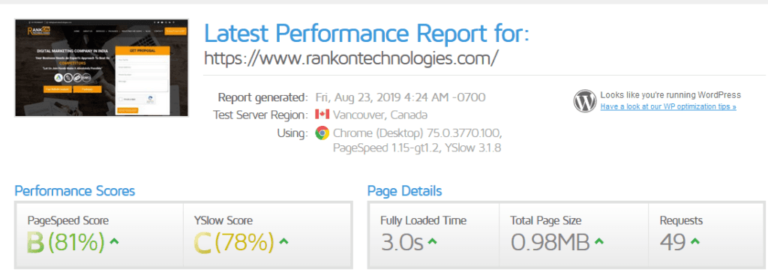
Issue: A website that takes too long to load frustrates visitors and significantly impacts user experience and conversions.
Solution: Optimize images, leverage browser caching, use content delivery networks (CDNs), and minimize unnecessary plugins or scripts to improve loading speed. Prioritize performance optimization to ensure a smooth and speedy browsing experience.
Failure to Adapt and Test Continuously
Issue: Stagnation and resistance to change prevent websites from evolving and meeting the evolving needs of the audience.
Solution: Embrace a culture of continuous improvement. Test new ideas, designs, and strategies regularly. Conduct user surveys, analyze feedback, and stay updated with industry trends to adapt and optimize your website for ongoing success.
In conclusion, a website’s conversion potential hinges on several factors, from user experience to content quality and trustworthiness. By addressing these common issues and implementing effective solutions, you can enhance your website’s ability to convert visitors into valuable leads or customers. Remember, optimizing for conversions is an ongoing process that requires a keen understanding of your audience and a commitment to constant improvement. Unlock your website’s full potential by refining these key aspects and watch as your conversion rates soar.

How to improve conversion rate of website?
Improving the conversion rate of a website involves a blend of strategic changes across various aspects. Here’s a comprehensive guide on how to enhance conversion rates:
- Understand Your Audience:
- Conduct market research and analyze customer data to understand their needs, preferences, and pain points.
- Develop buyer personas to tailor your website content and offerings to specific audience segments.
- Optimize User Experience (UX):
- Ensure a responsive design for seamless browsing across all devices.
- Simplify navigation, make important information easily accessible, and declutter the design.
- Optimize page loading speed to reduce bounce rates.
- Compelling Call-to-Actions (CTAs):
- Craft clear, action-oriented CTAs that stand out and guide users towards desired actions.
- Use persuasive language and place CTAs strategically throughout the website.
- Enhance Website Content:
- Create high-quality, relevant content that addresses user needs and interests.
- Use engaging formats like videos, infographics, and interactive elements to captivate users.
- Incorporate storytelling to connect emotionally with visitors.
- Build Trust and Credibility:
- Display trust signals like customer testimonials, reviews, security badges, and contact information prominently.
- Offer transparent pricing and shipping information to build trust with potential customers.
- Optimize Landing Pages:
- Align landing pages with ad messaging and ensure a clear value proposition.
- Test different elements, such as headlines, images, and CTA placements, to optimize performance.
- Streamline Checkout Process (For E-commerce):
- Simplify the checkout process with fewer steps and guest checkout options.
- Display progress indicators and ensure transparency regarding shipping costs and payment options.
- Implement A/B Testing:
- Experiment with different layouts, CTAs, headlines, and content variations to identify what resonates best with your audience.
- Use A/B testing to validate changes before implementing them site-wide.
- Utilize Analytics and Data:
- Track user behavior using analytics tools to understand where visitors drop off or encounter barriers.
- Analyze conversion funnels, heatmaps, and user flow to identify optimization opportunities.
- Personalization and Segmentation:
- Implement personalized content and recommendations based on user behavior and preferences.
- Segment audiences to deliver targeted messages that resonate with specific groups.
- Continuous Improvement:
- Embrace a culture of continuous optimization and learning.
- Monitor results, gather feedback, and iterate on strategies to consistently improve conversion rates.
- Customer Support and Engagement:
- Offer excellent customer support through various channels, including live chat, email, or phone.
- Engage with visitors through interactive elements, surveys, or social media to build relationships.
Improving conversion rates is an ongoing process that requires a deep understanding of your audience, constant testing, and a commitment to refining and optimizing various website elements.
By focusing on user experience, compelling content, trust-building strategies, and data-driven optimizations, you can effectively enhance your website’s conversion rate and achieve better results.

How to track conversion rate in website?
Tracking conversion rates on a website involves using various analytics tools to measure and analyze user actions that align with specific goals or desired outcomes. Here’s how you can track conversion rates effectively:
- Define Conversion Goals:
- Identify the actions you want visitors to take, such as making a purchase, filling out a form, signing up for a newsletter, or downloading content. These actions define your conversion goals.
- Set Up Conversion Tracking:
- Utilize analytics platforms like Google Analytics, Adobe Analytics, or other website analytics tools.
- Set up specific conversion tracking by defining goals within these platforms. For instance, in Google Analytics, you can set up goals under the ‘Admin’ section by defining URL destinations, time spent on site, pages per visit, or event-based goals.
- Use UTM Parameters:
- Implement UTM parameters in your URLs for different campaigns or sources. These parameters help in tracking the performance of specific marketing efforts in driving conversions. Tools like Google’s Campaign URL Builder help create UTM parameters.
- Implement Event Tracking:
- For actions such as button clicks, video views, or downloads, use event tracking. This allows you to track specific user interactions that contribute to conversions. Event tracking is commonly done through JavaScript or through tag manager tools.
- Monitor Conversion Funnels:
- Analyze conversion funnels to identify the stages where users drop off before completing a conversion. This helps pinpoint areas for improvement to boost conversion rates.
- Use E-commerce Tracking (For Online Stores):
- If you run an e-commerce website, implement e-commerce tracking to monitor transactions, revenue, and product performance. Platforms like Google Analytics offer specific e-commerce tracking features.
- Regularly Review Analytics Data:
- Regularly review the analytics data to assess the performance of your conversion goals. Look at metrics such as conversion rate, goal completions, conversion paths, and user behavior to understand what drives conversions and where improvements can be made.
- Test and Iterate:
- Conduct A/B tests and experiments to test variations in design, content, CTAs, or user flow to identify what drives higher conversions. Implement changes based on these tests and continue iterating to optimize conversion rates.
- Custom Dashboards and Reports:
- Customize dashboards or reports in your analytics tool to monitor specific conversion metrics. This provides a quick overview of the performance of your conversion goals.
By implementing these tracking methods and regularly analyzing the data, you can gain valuable insights into user behavior, identify areas for improvement, and make informed decisions to optimize your website for higher conversion rates.

What is average conversion rate?
The average conversion rate varies across industries, website types, and the specific goals a website aims to achieve. However, to provide a benchmark, here are some approximate average conversion rates for different types of websites:
E-commerce Websites:
- Average Conversion Rate: Ranges from 2% to 5%.
- Top-Performing E-commerce Sites: May achieve conversion rates above 10%.
Lead Generation Websites:
- Average Conversion Rate: Varies widely but typically falls between 2% to 10%.
- High-Performing Lead Generation Sites: Conversion rates can exceed 10% in certain industries or with highly targeted campaigns.
SaaS (Software as a Service) Websites:
- Average Conversion Rate: Often between 1% to 5%.
- Effective SaaS Conversion Rates: Some SaaS companies achieve conversion rates higher than 10% through targeted marketing and optimized user experiences.
Publishing and Content Websites:
- Average Conversion Rate: Typically lower, ranging from 1% to 3%.
- Content Sites with High Engagement: Conversion rates can reach higher percentages if the site offers premium content or subscription-based services.
B2B (Business-to-Business) Websites:
- Average Conversion Rate: Tends to be lower, averaging around 1% to 3%.
- High-Performing B2B Sites: Exceptional B2B websites can achieve conversion rates above 5% by targeting specific niches or with highly personalized approaches.
Mobile Apps:
- Average Conversion Rate: Can range from 1% to 2% for app downloads.
- In-App Purchases or Subscriptions: Conversion rates for in-app purchases or subscription sign-ups vary widely but can reach above 10% for successful apps.
Factors Impacting Conversion Rates:
- Industry type, target audience, traffic sources, user intent, website design, user experience, trust signals, and the clarity of call-to-actions all play significant roles in determining conversion rates.
These averages serve as general benchmarks and can vary based on multiple factors. It’s essential to benchmark against your industry and the specific type of website you’re building, while considering your business’s goals and context.
Regularly monitoring and improving conversion rates based on your specific circumstances and benchmarks can help in optimizing website performance.
How much does conversion rate optimization cost?
The cost of Conversion Rate Optimization (CRO) can vary significantly based on factors such as website size, the complexity of the optimization process, the tools and resources used, and whether it’s handled in-house or outsourced to agencies or specialists. Here’s a breakdown of potential costs:
- Tools and Software:
- A/B Testing Tools: Subscription costs for tools like Optimizely, VWO (Visual Website Optimizer), or Google Optimize.
- Analytics Tools: Subscription fees for platforms like Google Analytics, Adobe Analytics, or other analytics suites for tracking and analyzing data.
- Personnel and Expertise:
- In-House Team: If you have an in-house CRO team, include salaries, benefits, and training costs.
- Outsourced Agencies or Specialists: Hiring external agencies or consultants for CRO services incurs fees based on the scope and duration of the project. Costs may vary depending on the agency’s or specialist’s expertise and reputation.
- Testing and Implementation:
- Testing Costs: Budget for conducting A/B tests, user surveys, usability tests, and other methods to gather insights.
- Implementation Costs: Expenses associated with making changes to the website based on CRO findings, including web development and design costs.
- Research and Analysis:
- Research Tools and Services: Costs for market research, user behavior analysis tools, and user testing services.
- Data Analysis: Expenses related to hiring data analysts or using specialized tools for in-depth data analysis.
- Continuous Optimization:
- Ongoing Costs: CRO is an ongoing process. Continuous optimization efforts incur recurring costs for tools, personnel, and testing.
- Variable Expenses:
- Cost-Per-Click (CPC) for Ads: If you’re running paid advertising campaigns for CRO purposes, the cost per click contributes to overall expenses.
- Miscellaneous Expenses:
- Training and Education: Investing in courses, workshops, or certifications related to CRO for skill development.
The cost of CRO can range from a few thousand dollars for smaller-scale initiatives to tens or hundreds of thousands for more extensive and ongoing optimization efforts. It’s essential to weigh the potential return on investment (ROI) against the costs incurred.
A well-executed CRO strategy can yield significant improvements in conversion rates, leading to increased revenue and business growth. Consider your specific goals, budget, and the potential impact on your business when determining the appropriate investment in CRO.

Average of cost conversion rate optimization: Agency vs Freelancer
The cost of Conversion Rate Optimization (CRO) services can vary significantly between agencies and freelancers due to factors like expertise, experience, scope of work, and the level of service provided. Here’s a comparison of average costs associated with CRO from agencies and freelancers:
Agency:
- Cost Range: Agencies typically charge higher fees due to the collective expertise, resources, and comprehensive services they offer.
- Average Hourly Rate: Ranges from $100 to $300+ per hour, depending on the agency’s reputation, location, and the complexity of the project.
- Project-Based Pricing: Agencies may quote project-based fees, which can range from a few thousand dollars to tens of thousands, depending on the scope and duration of the CRO project.
- Retainer Model: Some agencies offer retainer-based services where clients pay a fixed monthly fee for ongoing CRO efforts. These retainers can range from a few thousand to several thousand dollars per month.
Freelancer:
- Cost Range: Freelancers often have lower overhead costs than agencies, which can be reflected in their pricing.
- Average Hourly Rate: Ranges from $50 to $150 per hour, depending on the freelancer’s expertise, experience, and location.
- Project-Based Pricing: Freelancers may charge project-based fees that vary widely based on the project’s complexity and duration. It could range from a few hundred dollars to several thousand dollars.
- Flexible Arrangements: Freelancers may be more flexible in offering customized packages or focusing on specific CRO aspects, enabling more tailored, cost-effective solutions.
Factors Affecting Costs:
- Expertise and Experience: More experienced professionals typically charge more for their services.
- Scope of Work: The complexity and depth of CRO efforts influence pricing. Extensive audits, in-depth analysis, and ongoing optimization efforts usually incur higher costs.
- Geographic Location: Rates may vary by region based on cost of living and market demand.
Considerations:
- Quality and Reputation: Evaluate the track record, portfolio, and client testimonials of agencies or freelancers to assess their credibility and effectiveness.
- Scope and Goals: Align the scope of work with your specific goals and budget. Discuss the expected outcomes and timelines with potential service providers.
Ultimately, the choice between hiring an agency or a freelancer for CRO services depends on your specific needs, budget constraints, and the level of expertise required for your project.
Both agencies and freelancers can deliver effective CRO solutions, so it’s essential to evaluate their offerings and select the option that best fits your requirements and budget while ensuring quality results.

Free and paid application to improve conversion rate of website
There are several free and paid applications available to help improve the conversion rate of a website by optimizing various elements. Here’s a mix of both:
Free Applications for Conversion Rate Optimization
- Google Optimize: Offers A/B testing and personalization features to optimize website content, CTAs, and layouts based on user behavior. It integrates seamlessly with Google Analytics.
- Hotjar: Provides heatmaps, session recordings, and user feedback tools to understand user behavior and identify opportunities for improving website design and usability.
- Crazy Egg: Offers heatmaps, scroll maps, and A/B testing to visualize user behavior and test variations in content and design to improve conversions.
- Google Analytics: Analyzes user behavior, tracks conversions, and provides insights into traffic sources, helping to understand user journeys and optimize accordingly.
- HubSpot CRM: Offers free CRM tools to manage customer interactions, track leads, and analyze performance to improve conversions.
Paid Applications for Conversion Rate Optimization
- Optimizely: Offers A/B testing, personalization, and experimentation tools to optimize website elements and improve conversion rates. It provides advanced analytics and targeting options.
- VWO (Visual Website Optimizer): Provides A/B testing, split URL testing, and multivariate testing to optimize website elements for better conversions. Offers heatmaps and visitor behavior analysis.
- Unbounce: A landing page builder with A/B testing capabilities that helps create and test high-converting landing pages for campaigns or promotions.
- Kissmetrics: Provides detailed analytics to track user behavior and engagement, allowing for better targeting and optimization to improve conversions.
- Convert: Offers A/B testing, multivariate testing, and personalization to optimize content and user experiences, driving improved conversions.
When choosing between free and paid applications, consider the specific features you require, the size and complexity of your website, the level of support you need, and your budget.
Many free conversion rate optimization tools offer valuable insights and basic functionality, while paid applications often provide more advanced features and comprehensive support, catering to more advanced optimization needs.
It’s essential to evaluate your requirements and select the application(s) that best align with your goals and resources for improving conversion rates.
Need Conversion Rate Optimization for Your Website? Hire Us!
Are you not happy with your current website conversion rate? Contact us today to optimize your website for a higher conversion rate. We offer trusted SEO services at affordable prices. Must check our SEO packages NOW!
FAQs on Conversion Rate Optimization
What is a conversion rate?
Answer: A conversion rate refers to the percentage of website visitors who complete a desired action, such as making a purchase, filling out a form, or signing up for a service.
Why is conversion rate important?
Answer: Conversion rate is crucial as it directly reflects a website’s effectiveness in turning visitors into customers or leads. It impacts revenue, ROI, and measures the success of marketing and website optimization efforts.
How is conversion rate calculated?
Answer: Conversion rate is calculated by dividing the number of conversions by the total number of visitors and then multiplying by 100 to get a percentage. The formula is: (Conversions / Total Visitors) * 100.
What factors affect conversion rates?
Answer: Several factors impact conversion rates, including website design, user experience, quality of content, call-to-actions, trust signals, checkout process (for e-commerce), traffic sources, and relevance of offerings to user intent.
What is a good conversion rate?
Answer: The definition of a good conversion rate varies widely based on industry, niche, and the type of website. Generally, a good conversion rate depends on context and can range from 2% to 5% or higher.
How can I improve my website's conversion rate?
Answer: To improve conversion rates, focus on optimizing user experience, CTAs, content quality, trust-building elements, landing pages, checkout processes, and continuously test and iterate based on data and user feedback.
What role does SEO play in improving conversion rates?
Answer: SEO (Search Engine Optimization) drives targeted traffic to your website, potentially increasing the chances of conversions. By optimizing for user intent and delivering relevant content, SEO can positively impact conversion rates.
How can I track and measure conversion rates?
Answer: Conversion rates can be tracked using analytics tools like Google Analytics, by setting up specific conversion goals, analyzing user behavior, tracking conversion funnels, and using A/B testing to optimize for higher conversion rates.
What are common conversion rate optimization (CRO) strategies?
Answer: Common CRO strategies include improving user experience, creating compelling CTAs, enhancing website content, building trust, optimizing landing pages, simplifying checkout processes, implementing A/B testing, and utilizing analytics data for continuous improvement.
Why might conversion rates fluctuate?
Answer: Fluctuations in conversion rates can occur due to various factors such as changes in website design, marketing campaigns, user behavior, seasonal trends, technical issues, or shifts in target audience preferences.






 Public Fraud Alert